
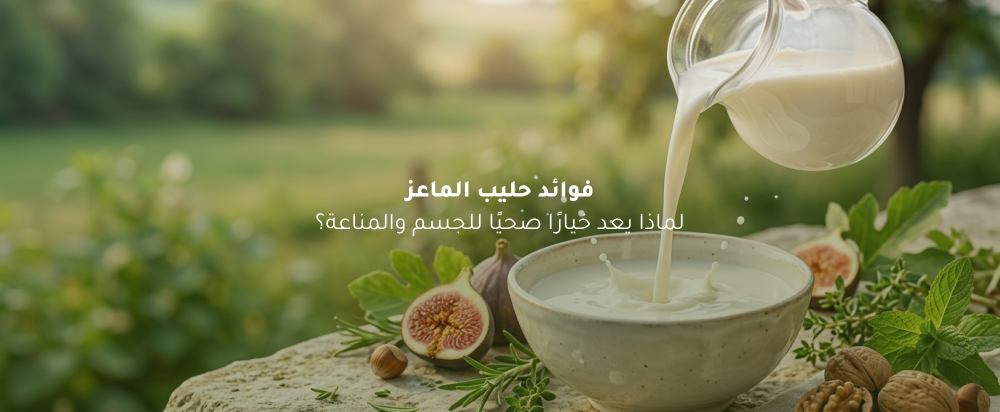
Goat milk has become a preferred food option for many people when looking for greater variety in dairy products. It has a different taste and rich texture, and contains a range of nutrients that the body needs within a balanced diet.
Goat's milk contains protein, fat, carbohydrates, calcium, and some other minerals, so it can be a beneficial addition to daily meals. However, its nutritional value does not mean it is a cure for any disease; rather, it is a food that can be beneficial when chosen and used correctly.
When buying goat's milk, it is advisable to pay attention to several important factors, including:
- Choosing a pasteurized product ensures better safety.
- Check the production and expiry dates.
- Check the integrity of the packaging.
- Read the ingredients and nutritional values.
- Comparing the percentage of fat and protein between products.
- Choose the appropriate type according to daily use.
The benefits of this type of milk depend on the quality of the product, the portion size, and the nature of the person's overall diet.
Nutritional value of goat's milk
The importance of the benefits of goat's milk is mainly related to its nutritional components, as it provides a range of elements that are included in the body's daily needs.
protein
Protein is one of the most important elements found in milk, as it provides amino acids that the body uses to build and maintain tissues.
The body's protein needs vary according to age, physical activity, and health status, so milk should be viewed as part of a balanced diet and not as the sole source of protein.
fats
The fats in goat's milk affect the texture and taste, especially in full-fat varieties.
Fats also provide the body with some energy, but the amount of fat varies depending on the type of product and the method of manufacture, so it is preferable to check the nutritional label before making a choice.
Carbohydrates and lactose
Goat's milk contains lactose, which is the natural sugar found in dairy products.
Therefore, choosing goat's milk does not necessarily mean that it is suitable for people with lactose intolerance, and the condition should be assessed according to the body's ability to digest it.
Calcium and minerals
Milk is a food source that provides calcium and some other minerals such as phosphorus, magnesium and potassium.
These elements, when included in a balanced diet, help meet the body's daily needs, but
The actual quantity varies depending on the product and portion size.
Note:
Sheep milk differs from goat milk in terms of taste, texture, and the percentage of fat and protein. Therefore, it is preferable to compare the nutritional values of each type to choose the most suitable milk according to your needs and how you use it.
What are the benefits of goat's milk for the body?
The benefits of goat's milk come from its diverse range of nutrients, not from the presence of just one.
It helps provide protein
It can help support the body's protein needs, especially when combined with other food sources such as grains, nuts, and eggs.
Saves energy
Milk contains fats, carbohydrates, and protein, all of which provide energy to the body. The calorie content varies depending on the fat content of the product.
It contributes to diversifying dairy sources.
It may be a suitable option for people who want to try a different type of dairy product instead of relying solely on cow's milk.
It is used in many recipes
It can be used to prepare:
- Oats.
- Hot drinks.
- Sweets.
- Baked goods.
- Cheese.
- Yogurt.
- Creamy sauces.
This versatility makes its use practical in the daily diet.
Does goat's milk boost immunity?
Talk about the benefits of goat's milk for immunity is related to its content of nutrients and bioactive compounds that are under study, such as certain proteins and oligosaccharides.
However, there is not enough evidence to make it accurate to describe it as a treatment or a guaranteed way to prevent diseases.
Boosting immunity depends on a range of factors, including:
- Eat a balanced diet.
- Get enough protein.
- Good sleep.
- Physical activity.
- Maintaining a healthy lifestyle.
Therefore, goat's milk can be considered a nutrient-rich food, not a therapeutic product.
Uses of goat's milk
Goat's milk is not only used for drinking, but is also used in many food products.
Direct drinking
It can be taken as part of breakfast or between meals depending on the person's nutritional needs.
cheese making
It is used in the production of different types of cheese, where the ratio of fat and protein affects the final result of the product.
Preparing yogurt
It can be used in the manufacture of yogurt and fermented dairy products, with the nutritional value varying depending on the manufacturing method and the additives used.
Sweets and baked goods
It can be added to recipes for cakes, pies, and desserts that are based on milk.
When using it in recipes, care should be taken to ensure that adding sugar, fat, or other ingredients changes the final nutritional value.
Is goat's milk suitable for people with allergies?
Goat's milk is not a cure for allergies, nor is it a guaranteed alternative for those who are allergic to cow's milk protein.
Some of the proteins found in goat's milk may be similar to those found in cow's milk, so a response may occur in some people.
It is important to distinguish between:
- Milk allergy: This is an immune reaction to milk proteins.
- Lactose intolerance: This is a difficulty in digesting lactose sugar.
If symptoms such as skin rash, vomiting, swelling or difficulty breathing appear after consuming milk, a doctor should be consulted.
Does goat's milk affect the kidneys?
There is no general rule that indicates that goat's milk causes kidney damage in all people.
For healthy individuals, it can be consumed as part of a balanced diet. However, patients with chronic kidney disease may need to monitor their protein, potassium, phosphorus, and fluid intake according to their health condition.
Therefore, it is preferable to consult a doctor or nutritionist if there is a kidney problem before modifying the amount of dairy products in the diet.
Factors that are taken into consideration include:
- Kidney disease stage.
- Test results.
- Daily protein intake.
- Portion size.
- The rest of the foods that are eaten.
Goat's milk vs. cow's milk
It cannot be said that one type is better for all people, as both contain important nutrients, but there are differences in taste, composition and use.
Goat's milk has a different taste and texture that some people may prefer, while cow's milk is more widespread and readily available.
The choice between them depends on:
- Personal taste preference.
- The appropriate fat ratio.
- Nutritional needs.
- Instructions for use.
- The ability to digest.
Therefore, the best product is one that suits the individual's needs, rather than a specific type that is universal.
Summary
The benefits of goat's milk are evident through its content of protein, fats, carbohydrates, and various minerals, in addition to its potential use in many recipes and food products.
However, it should be treated as food and not as medicine, and pasteurized products should be chosen from a reliable source, with ingredients and nutritional values reviewed before purchase.
Make goat's milk part of a varied and balanced diet, and choose the type that suits your needs and daily usage.
Discover the benefits of goat's milk and enjoy its distinctive taste as part of your daily food choices.